Emergency Water Extraction and Drying in Midwest City, OK
Emergency Water Extraction and Drying in Midwest City, OK
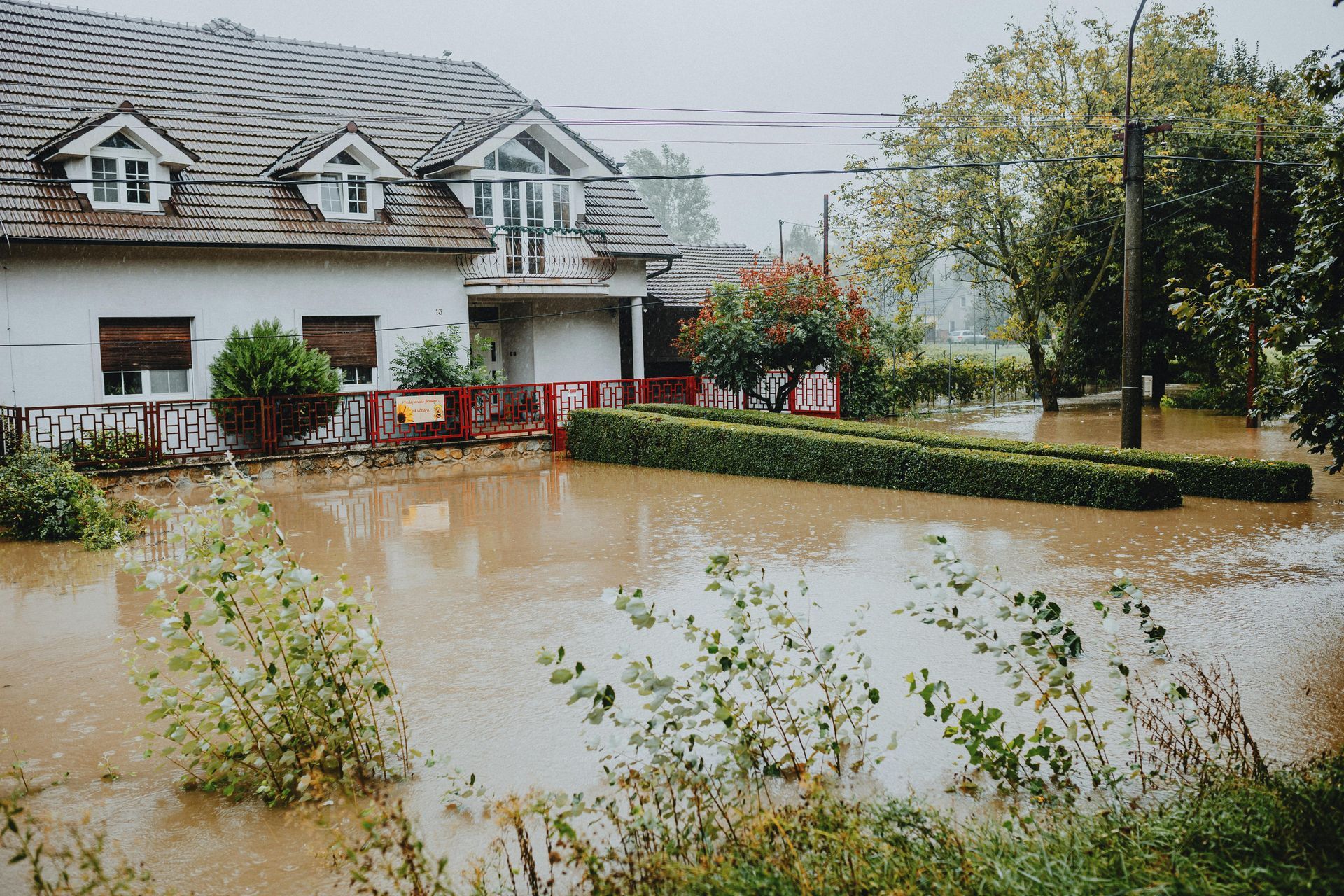
Emergency water extraction in Midwest City, OK removes standing water and initiates structural drying within hours to prevent mold growth, wood rot, and costly secondary damage to your property.
How Quickly Should Water Extraction Begin?
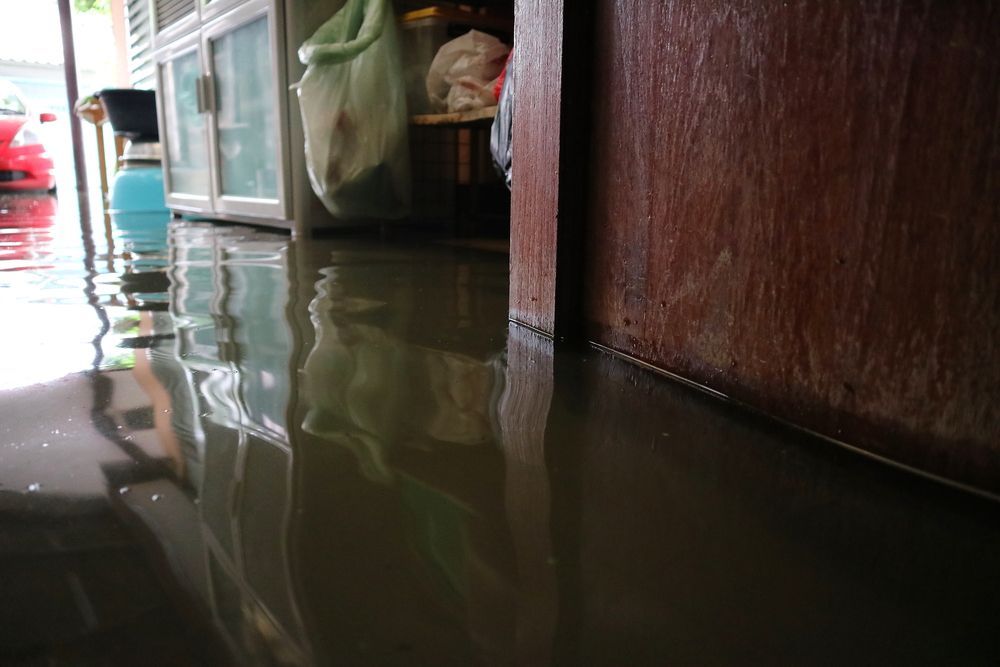
Water extraction should begin within the first hour after damage discovery to minimize absorption into building materials and prevent rapid contamination spread.
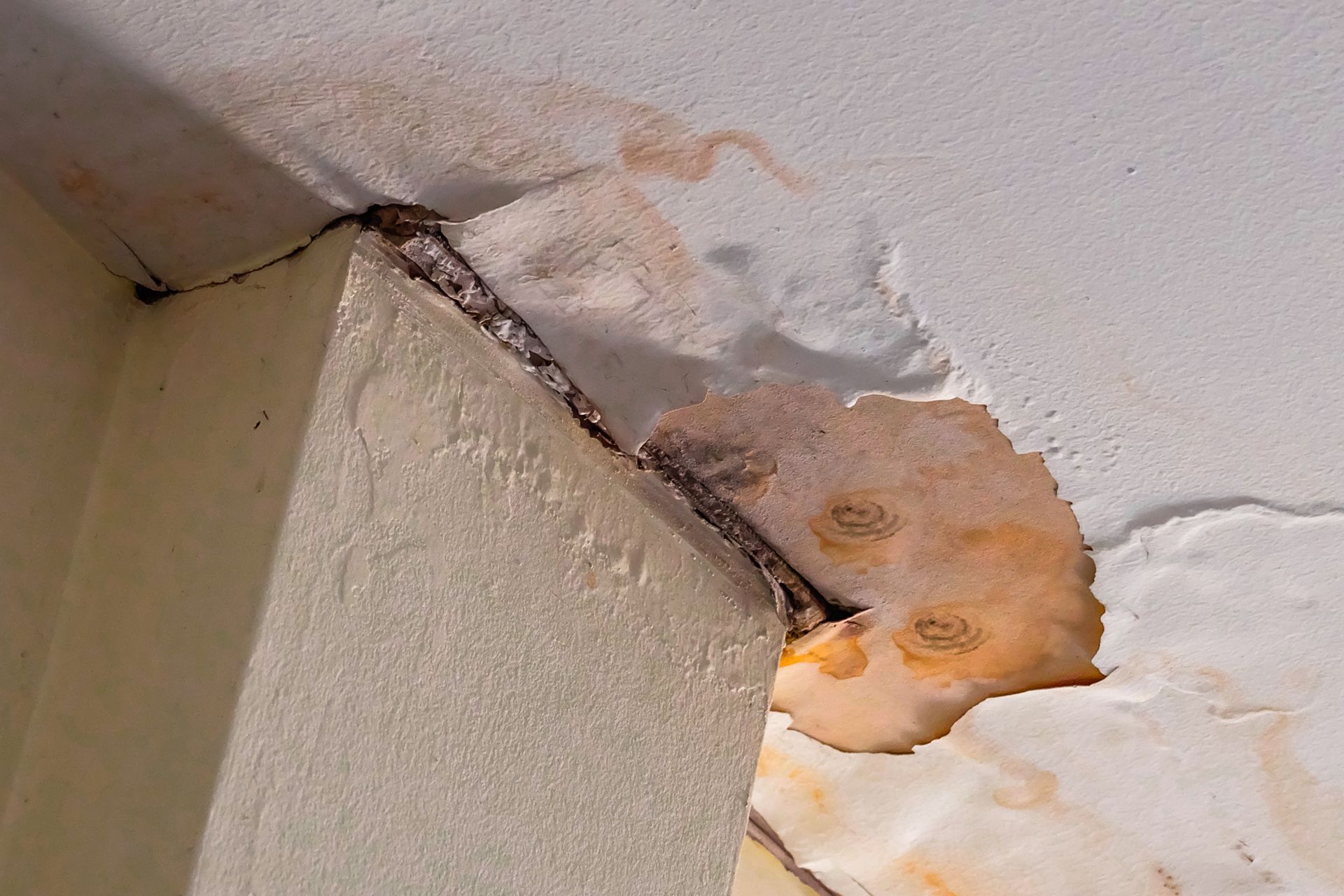
Standing water penetrates deeper into flooring, walls, and furnishings with each passing hour. The first 24 hours determine whether materials can be saved or require replacement. Porous materials like carpet padding, drywall, and insulation begin degrading immediately upon saturation.
Bacterial growth accelerates in standing water, creating health hazards and foul odors. Hardwood floors cup and warp as moisture causes expansion, while laminate flooring delaminates beyond repair. Metal components begin rusting, and electrical systems face short circuit risks when water remains present. You can access rapid water damage restoration services in Midwest City that respond quickly to minimize these time-sensitive risks.
What Equipment Removes Water Most Effectively?
Truck-mounted extractors, submersible pumps, and commercial wet vacuums remove standing water efficiently, while moisture meters guide equipment placement for hidden water.
Truck-mounted extraction units provide powerful suction that removes water from carpets and pad in a single pass. Submersible pumps handle deep standing water in basements or flooded rooms, moving hundreds of gallons per hour. Portable extractors reach tight spaces and upper floors where truck-mounted units cannot access.
After bulk water removal, technicians use moisture meters to detect water trapped in walls, subfloors, and ceiling cavities. Infrared cameras reveal moisture patterns invisible to the naked eye. This detection technology ensures extraction efforts address all water sources, not just visible standing water.
Do Air Movers and Dehumidifiers Work Together?
Air movers and dehumidifiers function as a coordinated system where fans evaporate surface moisture while dehumidifiers remove water vapor from the air.
High-velocity air movers create rapid airflow across wet surfaces, accelerating evaporation rates by factors of 10 to 20 compared to natural drying. Positioning matters, technicians angle fans to create circular airflow patterns that prevent dead air pockets. Multiple air movers work simultaneously to dry rooms uniformly.
Dehumidifiers extract moisture from air that fans push into the room atmosphere. As humidity drops, materials release trapped moisture more readily, accelerating the overall drying process. Commercial dehumidifiers remove 50 to 200 pints of water daily depending on size. Technicians adjust dehumidifier capacities based on affected square footage and measured humidity levels.
Can You Dry a Home Completely in Three Days?
Complete structural drying typically requires three to five days for standard water damage when professionals deploy adequate equipment and monitor progress continuously.
Drying timelines depend on water source, affected materials, and environmental conditions. Clean water from supply line breaks dries faster than contaminated water carrying organic matter. Hardwood floors and plaster walls require longer drying periods than drywall and carpet.
Professionals measure moisture content twice daily, adjusting equipment and airflow patterns based on drying progress. Some materials like hardwood floors need gradual drying to prevent cracking or warping from too-rapid moisture loss. Humid outdoor conditions slow evaporation, occasionally extending timelines beyond five days during Oklahoma's humid summer months.
How Do Midwest City's Military Housing Areas Affect Water Damage Response?
Tinker Air Force Base housing and surrounding military family neighborhoods require restoration teams familiar with base access procedures and housing authority coordination.
Military housing water damage often involves coordination between property managers, base housing offices, and restoration contractors. Security clearances and base access badges expedite response times when properties are located on Tinker AFB. Off-base military housing responds to similar protocols as civilian properties but may involve government insurance procedures.
Military families frequently face deployment schedules that compress restoration timelines when service members are absent. Restoration teams in Midwest City understand these unique circumstances and prioritize rapid completion. Documentation requirements for government housing claims often exceed civilian standards, demanding detailed photography and material inventories.
Red Prairie Restoration and Remodeling provides rapid emergency water extraction throughout Midwest City with industrial equipment and certified technicians. Our team responds quickly to minimize damage and coordinates with your insurance provider throughout the restoration process. Start your property recovery by calling 405-682-0267 for immediate water extraction and drying services.